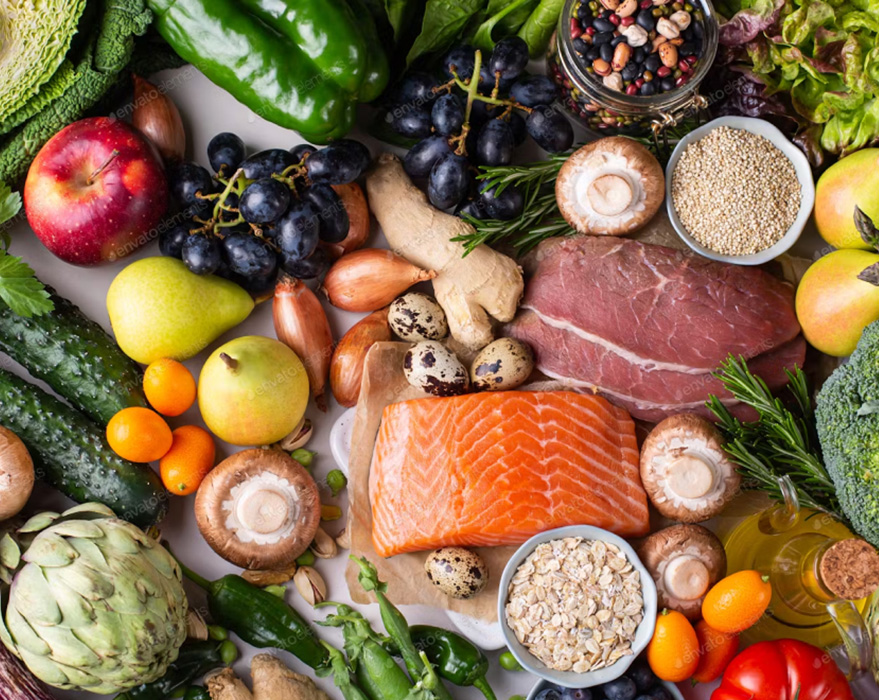
Building your meals around nutrient dense foods is one of the simplest ways to improve your health without overhauling your entire diet. Whether you’re trying to eat better day to day or looking for nutrient dense meals for weight loss, this guide covers exactly what nutrient density means, which foods deliver the most value on your plate, and our favourite nutrient dense recipes to get you started.
What Is a Healthy Meal and What Does Nutrient Dense Mean?
A healthy meal supplies the vitamins, minerals, protein, fibre and healthy fats your body needs, without excess saturated fat, added sugar or salt.
Nutrient density is the measure that ties this together. It’s the amount of nutrition you get relative to the calories a food contains. A food that’s high in nutrient density delivers a lot of vitamins, minerals, fibre and protein per calorie. A food that’s low in nutrient density, like sugary snacks or refined white bread, delivers mostly calories with little else.
Choosing nutrient dense meals means every plate works harder for you, supporting energy levels, muscle maintenance and long-term health, rather than just filling you up.
What Are the Most Nutrient Dense Foods Available?
Some foods consistently top the list when it comes to nutrient density. These are worth building your weekly shop around:

Leafy greens
Spinach, kale and watercress are packed with vitamins A, C and K, plus folate and iron, for very few calories.
Oily fish
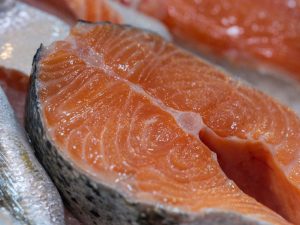
Salmon, mackerel and sardines provide protein, omega-3 fatty acids and vitamin D. The NHS recommends at least 2 portions of fish a week, including 1 portion of oily fish, as it’s a rich source of long-chain omega-3 fatty acids linked to heart health.
Legumes
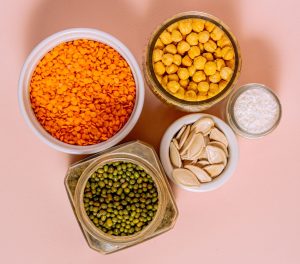
Lentils, chickpeas and beans are high in protein, fibre and iron, making them excellent value nutritionally and financially.

Eggs
A complete protein source with choline, vitamin D and B12.

Berries
Blueberries, raspberries and strawberries are rich in fibre, antioxidants and vitamin C for relatively few calories.
Nuts and seeds
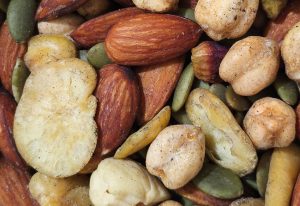
Almonds, walnuts, chia seeds and flaxseeds provide healthy fats, protein, fibre and minerals like magnesium.
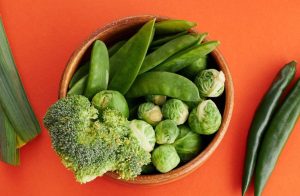
Cruciferous vegetables
Broccoli and Brussels sprouts offer fibre, vitamin C and compounds linked to long-term health.
Greek yoghurt
Higher in protein than standard yoghurt, with calcium and probiotics.
Building meals around these foods first, then filling in around them, is the most reliable way to hit your nutrient targets without overthinking every meal.
Building Your Plate: Vegetables, Fruits, Grains, Protein and Healthy Fats
A nutrient dense plate isn’t about restriction. It’s about covering the right food groups in the right proportions.
The NHS Eatwell Guide recommends balancing food groups across the day or week rather than requiring fixed proportions at every meal. As a simple meal-building approach, some people find it useful to include plenty of vegetables alongside a protein source and higher-fibre starchy carbohydrates.
However, we have provided optional suggestions for how you can structure your meals below:
Vegetables can make up around half your plate. Aim for a mix of colours: leafy greens like spinach and kale, cruciferous vegetables like broccoli and Brussels sprouts, and colourful options like carrots and peppers. The NHS 5 A Day campaign recommends at least 5 portions of a variety of fruit and vegetables daily, based on World Health Organization advice to eat a minimum of 400g a day to lower the risk of heart disease, stroke and some cancers.
Fruits are best eaten whole rather than juiced, so you keep the fibre. Berries, apples, oranges and bananas all count towards your nutrient intake.
Whole grains like quinoa, brown rice, oats and whole wheat products provide fibre, B vitamins and minerals, and keep you fuller for longer than refined alternatives. The NHS advises choosing wholegrain or higher-fibre varieties of starchy foods where possible, as they contain more fibre and usually more vitamins and minerals than refined versions.
Proteins should appear in some form at every meal. Good sources include poultry, fish, legumes, tofu and lean cuts of red meat.
Healthy fats from avocados, nuts, seeds and olive oil support hormone production and help your body absorb fat-soluble vitamins.
How Much of Each Macronutrient Do You Need in a Healthy Meal?
Every meal should include a balance of carbohydrates, protein and fat, though the ideal split depends on your goals and activity level.
Carbohydrates provide your body’s main energy source. Whole grains, fruits and vegetables are better choices than refined carbohydrates, since they release energy more steadily and come with added fibre.
Protein supports muscle growth, repair and satiety. Around a quarter of your plate should be a lean protein source. Adequate protein is particularly important for supporting maintenance of muscle mass during weight loss, since maintaining muscle mass during weight loss depends on it.
Fats are essential for hormone production and nutrient absorption. Prioritise unsaturated sources like olive oil, nuts and oily fish over saturated fats.
As a simple, optional guide, you can aim for roughly 50% vegetables, 25% lean protein and 25% whole grains or starchy vegetables on your plate. This portion will help to naturally create nutrient dense meals for weight loss, since it prioritises volume and protein over calorie-dense, low-nutrient foods.
Our Top Nutrient Dense Meals
If you’re short on inspiration, these nutrient dense recipes are simple, adaptable and built around the food groups above:
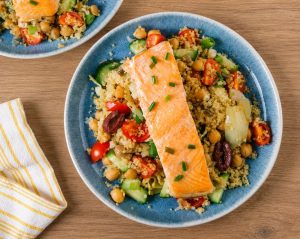
Salmon, quinoa and roasted vegetables
Oily fish, whole grains and a mix of colourful vegetables in one tray bake.

Lentil and vegetable curry
A plant-based protein hit with turmeric, spinach and brown rice on the side.
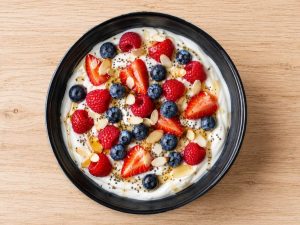
Greek yoghurt bowl with berries, chia seeds and almonds
A high-protein breakfast or snack that takes minutes to prepare.
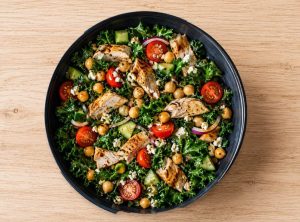
Chicken, chickpea and kale salad
Lean protein and fibre-rich legumes with olive oil dressing for healthy fats.
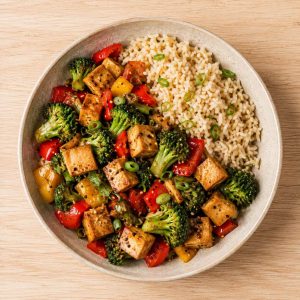
Stir-fried tofu with broccoli, peppers and brown rice
A fast, plant-based dinner covering three food groups in one pan.
Batch cook grains, proteins and roasted vegetables at the start of the week and mix and match across these meals to save time without sacrificing nutrient density.
Why You Should Limit Processed Foods and Added Sugars
Processed foods and sugary snacks are typically low in nutrient density and can sometimes provide calories without the vitamins, minerals or fibre your body needs, and can crowd out room for foods that do.
However, it’s important not to demonise all processed foods, as many of these, including wholegrain bread, yoghurt, canned pulses and frozen vegetables, can provide useful nutrients as part of a varied diet.
Foods high in saturated fat, salt or free sugars are what you actually need to limit, as these can often be lower in certain nutrients and fibre, particularly when compared with foods such as vegetables, fruit, wholegrains, pulses, nuts and seeds. The NHS notes that most people in the UK eat and drink too many calories, too much saturated fat, sugar and salt, and not enough fruit, vegetables, oily fish or fibre. If foods high in saturated fat, salt or free sugars are a regular feature in your kitchen, you should choose to keep fewer of these available and make more space for nutrient-dense options. You do not need to remove particular foods entirely. If you want to improve the overall nutrient quality of your diet, try making nutrient-rich choices more readily available and choosing foods high in fat, salt or free sugars less often and in smaller amounts.
Changes do not need to happen all at once. One option is to replace one snack at a time with an alternative that provides more fibre, vitamins, minerals or other nutrients.
How to Moderately Snack
Snacking isn’t the problem. Low-nutrient snacking is. Choosing the right snacks keeps energy levels stable and appetite in check between meals.
Reach for nutrient dense options like fruit, a small handful of nuts, natural yoghurt, or vegetables with hummus. These combine protein, fibre or healthy fats, which is why they’re far more satisfying than sugary alternatives, even in smaller portions.
If you’re on a weight loss journey, whether through diet alone or alongside medication, building these habits around nutrient dense snacking makes it easier to stay consistent long after the initial changes feel new.
Medical review: Andre Da Silva, Medical Lead
Last reviewed: 19th August 2026
Results vary between individuals and cannot be guaranteed. The suitability of any product or treatment is a professional prescribing decision made by a qualified clinician following an individual consultation, not a guarantee of eligibility or outcome. This content is for general information only and is not a substitute for professional medical advice. As part of the assessment, you will be asked for your GP’s details, and relevant information may be shared with them, with your consent, where clinically appropriate.
References