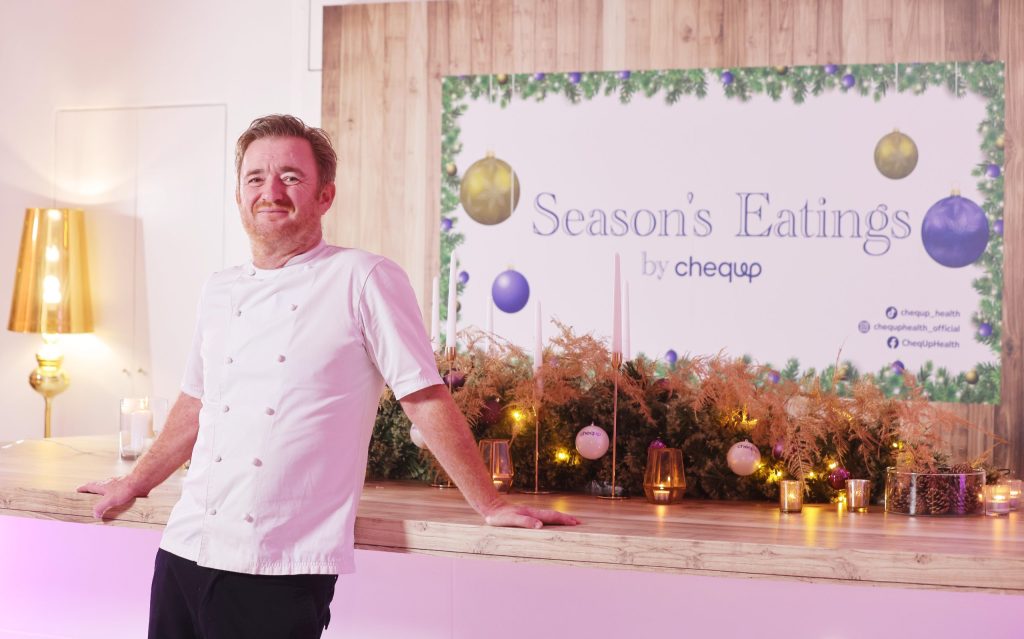
This Christmas, CheqUp has partnered with celebrity chef Jack Stein to create Season’s Eatings, a festive restaurant pop up designed around one simple idea, that celebration and mindful eating can coexist.
The menu has been curated to show what Christmas food can look like when it is full of flavour, thoughtfully balanced and enjoyed with intention. Each course, from starter to main to dessert, reflects a more mindful approach to festive eating, one that supports a weight loss journey without asking people to step away from tradition or enjoyment.
For many people on weight loss treatment, appetite changes naturally shift how food is experienced. Meals can feel more satisfying in smaller portions, flavours become more noticeable, and eating with intention often replaces eating out of habit. Season’s Eatings brings this experience into a festive setting, offering a tangible example of how Christmas food can still feel special while aligning with long term health goals.
That same mindset sits at the heart of this guide.
Navigating Christmas on weight loss treatment
Christmas is closely tied to food, routine changes and social occasions. When you are on weight loss treatment, this can raise questions about how to enjoy the season without feeling out of step with your progress.
Rather than focusing on restriction or perfection, the aim is to approach Christmas with awareness and flexibility. Mindful choices, realistic expectations and a focus on how you feel can help festive eating sit comfortably alongside your treatment.
Enjoying festive food with confidence
Being on weight loss treatment does not mean missing out on Christmas. In fact, many people find a reduced appetite creates an opportunity to slow down and enjoy food more intentionally.
With appetite often reduced, festive meals tend to shift away from large portions towards richer flavours and greater satisfaction from smaller amounts. Taking time to notice taste and texture can help Christmas food feel indulgent without feeling excessive.
Confidence often comes from permission, allowing yourself to enjoy festive meals without guilt, trusting your hunger cues and recognising when you are satisfied. This shift can make food feel calmer and more enjoyable, even during a season filled with choice.
Set your intentions for the festive season
Before the festivities begin, take a moment to reflect on how you want Christmas to feel this year. Decide what success looks like for you over the festive period. This might include feeling present, managing stress, maintaining your weight, staying active or enjoying social connection.
Focus on energy
Aim to make choices that leave you feeling comfortable and energised, rather than overly full or sluggish.
Be realistic
Allow space for your favourite festive foods, enjoyed mindfully and in smaller, satisfying portions.
Practical strategies for festive meals
A reduced appetite can make it easier to enjoy smaller amounts, but balance and nourishment still matter, particularly during busy periods.
Focus on food quality
Prioritise protein
Fill your plate first with lean protein such as turkey, fish or vegetarian alternatives. Protein supports fullness and helps maintain muscle mass during weight loss.
Include fibre
Vegetables, salads, fruit and whole grains support digestion, gut health and stable blood sugar levels.
Balance your plate
Aim for roughly a quarter of your plate as protein, a quarter as carbohydrates and half as colourful vegetables or salad.
Maintain your routine
Eat regular meals
Keeping a regular eating pattern supports stable energy levels and appetite regulation. Try to maintain your usual meal structure where possible.
Stay consistent
Outside of Christmas meals, continue with your normal balanced, protein rich meals.
Factor in less balanced foods
Plan for treats
Choose the festive foods you genuinely enjoy, rather than feeling you need to have everything on offer.
Moderate portions
Eat slowly, savour the flavours and stop when you feel comfortably satisfied.
Supporting your wellbeing during the festive season
Looking after your body and mind helps everything else feel more manageable during Christmas.
Stay hydrated
Hydration supports digestion and can help reduce common side effects such as constipation or nausea. Sip water regularly throughout the day.
Maintain movement
Movement does not need to be structured or intense. Gentle activity still supports wellbeing.
A festive walk to enjoy Christmas lights. Try short bouts of movement at home, like using stairs more frequently throughout the day.
Prioritise self care
Changes in routine can affect sleep and energy. Aim for consistency where possible and allow time for rest. Christmas can be joyful, but it can also be emotionally demanding, so factor in quiet moments if that feels supportive.
Returning to routine after Christmas
The festive period is short. A few days of different routines or meals will not undo long term progress.
When celebrations come to an end, you can return to your usual habits with confidence, supported by your weight loss treatment and the CheqUp programme. Christmas does not need to be a pause or a setback, it is simply a part of a bigger, ongoing journey.