The hidden factors behind the numbers
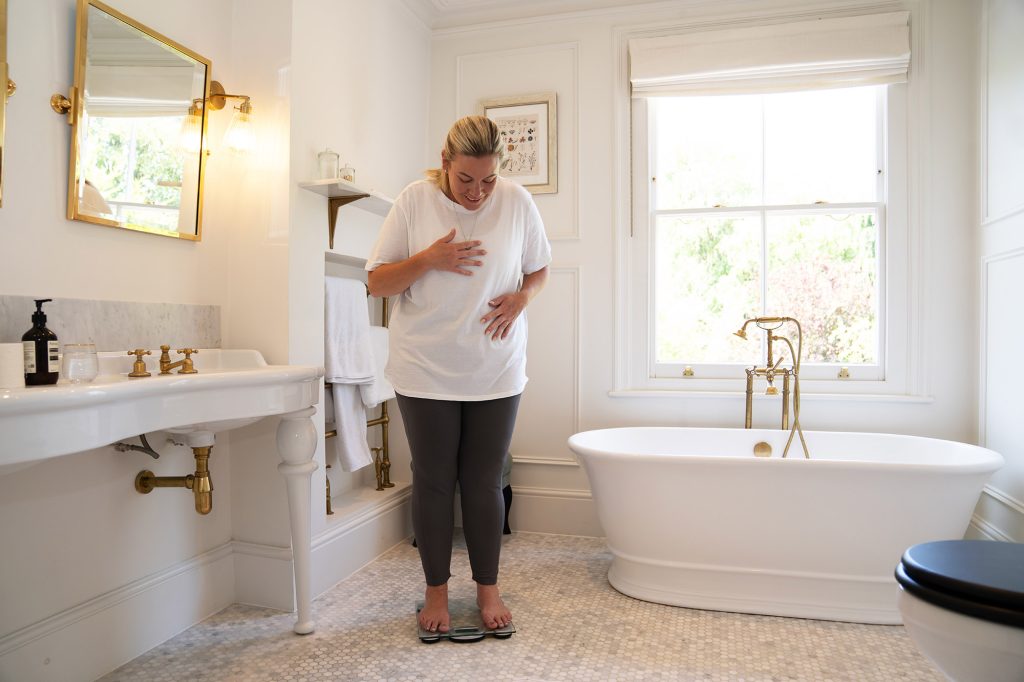
Stepping on the scales after the holidays can feel daunting, especially if you are on weight loss treatment and you experience weight gain. A higher number can trigger worry or frustration, and it is easy to assume that progress has been undone.
In reality, post-holiday changes on the scales are very rarely a sign of fat gain. More often, they reflect temporary and completely normal shifts in fluid balance, digestion and routine. Understanding what is really happening can help you stay calm and focused on the bigger picture.
Why the scales can change after the holidays
Weight loss treatments support sustainable progress over time, but they do not stop short-term fluctuations. Around the holidays, several common factors can influence the number you see on the scales.
Sodium and water retention
Holiday meals are often higher in salt than your usual food choices. When sodium intake increases, your body naturally holds on to more water to maintain balance (1). This fluid retention shows up as extra weight on the scales, but it is not fat gain. Once your eating pattern returns to normal, your fluid levels usually settle quickly.
Higher carbohydrate intake
Festive flexibility often means more carbohydrate-rich foods such as bread, potatoes and desserts. Carbohydrates are stored in the body as glycogen, and glycogen binds to water. For every gram of glycogen stored, several millilitres of water are stored alongside it (2). This can temporarily increase the number on the scales, even though carbohydrates remain an important source of energy and do not need to be avoided.
Digestion and gut content
Eating larger volumes of food, or foods that are richer or higher in fibre than usual, means there is simply more content moving through your digestive system. This added gut bulk contributes to body weight in the short term, but it is temporary and not a reflection of fat gain.
Changes to routine
Travel, disrupted sleep, reduced movement and changes in exercise patterns can all affect fluid balance and digestion. Stress hormones can also play a role. These shifts are a normal part of holidays and do not mean you have done anything wrong.
What GLP-1 treatments are, and are not, doing
GLP-1 weight loss treatments work gradually and consistently over time. They are designed to support long-term metabolic health, not to eliminate short-term changes on the scales.
These treatments work by slowing gastric emptying, which helps you feel fuller for longer but can also mean food stays in your digestive system slightly longer (3). They reduce appetite and cravings, which supports sustainable behaviour change, but occasional flexibility is still part of real life. They also improve blood sugar regulation, which is important for overall health, but does not prevent temporary water retention caused by dietary changes.
In other words, your treatment is still working, even if the scales temporarily suggest otherwise.
How to think about the scales more helpfully
It is completely understandable to feel disheartened by a higher reading. If this happens, a few gentle reminders can help.
Focus on trends, not single weigh-ins
One or two higher measurements on the scales do not undo weeks or months of progress. Weight naturally fluctuates from day to day, particularly after periods of flexibility. What matters most is the overall trend over time.
Return to your usual rhythm
As your routine settles, focus on regular meals, hydration, sleep and movement. There is no need to compensate or restrict. In most cases, any extra water or gut weight resolves on its own within a short period.
Seek personalised support if you need it
If you have ongoing concerns about your weight or how your treatment is working, speaking with a Clinician can provide reassurance and clarity. Our Health Coaches can support you with practical, lifestyle-focused guidance. Both our Clinicians and Health Coaches are available through My Account.
What you can do next
- Don’t panic. Post-holiday increases on the scales are usually temporary and rarely reflect fat gain.
- Gently re-establish your routine around eating, hydration and movement.
- Pay attention to wins such as improved energy, better sleep, clothes fitting more comfortably, consistent hydration or feeling more confident in your habits.
- Book a call with your Health Coach if you feel overwhelmed or unsure. They are there to help you re-centre and refocus.
References
- Rakova N, Kitada K, Lerchl K, et al. Increased salt consumption induces body water conservation and decreases fluid intake. J Clin Invest. 2017
- Kreitzman SN, Coxon AY, Szaz KF. Glycogen storage: illusions of easy weight loss, excessive weight regain, and distortions in estimates of body composition.
- van der Klaauw AA, Keogh JM, Henning E, et al. Effects of glucagon-like peptide 1 on appetite and body weight: focus on the CNS. J Endocrinology. 2014