If your body feels like it’s started playing by new rules in your 40s or 50s, you’re not imagining it. Menopause can affect your sleep, your mood, your energy and where your body stores weight. This guide explains what happens at each stage, the treatment options for symptoms and the everyday habits that can make a real difference. We’ll also cover where weight-loss treatment fits in and when it’s worth speaking to someone.
A quick note before we start: weight-loss medicines are not a treatment for menopause or its symptoms. For some people who meet specific criteria based on their BMI and weight-related health conditions, they can support weight management during menopause, following a clinical assessment.
What menopause is
Menopause is a natural stage of life that usually happens somewhere in your 40s or 50s. Everyone’s experience is different. Some people notice only a few symptoms, while others find the physical and emotional changes touch every part of daily life. Both are valid and both deserve support.
There are three stages.
Perimenopause
This is the time leading up to your final period. It can last anywhere between 2 and 8 years, with around 4 years being typical.
It often starts with small changes. In early perimenopause your cycle might become a week or more longer or shorter than usual and you may notice a few symptoms. In late perimenopause, periods tend to become more unpredictable and you might skip one or more altogether. When periods stop for a while, this is called amenorrhoea.
From around your mid-40s, your ovaries have far fewer eggs left to release and your levels of oestrogen and progesterone start to fall. During your reproductive years oestrogen supports fertility as well as your bone, heart and brain health, so as it drops you might notice changes such as:
- hot flushes and night sweats
- low mood, anxiety or feeling quicker to anger
- brain fog, forgetfulness or trouble concentrating
- disrupted sleep
- less interest in sex, vaginal dryness and urinary problems
- joint and muscle stiffness, headaches and heart palpitations
- changes in body shape, with more fat stored around your tummy and some loss of muscle
Menopause
As you move towards menopause, symptoms often become stronger or more frequent and periods become more irregular. Menopause itself is a single point in time: it’s reached once you’ve gone 12 months without a period.
Postmenopause
After that point many symptoms gradually ease. Oestrogen stays lower though, which means your risk of osteoporosis (weaker bones) and heart disease goes up. This is a good time to focus on habits that protect your long-term health, and we cover those below.
Treatment options for menopause symptoms
You don’t have to put up with symptoms that are getting in the way of your life. Your GP can talk you through the options, including hormone replacement therapy (HRT).
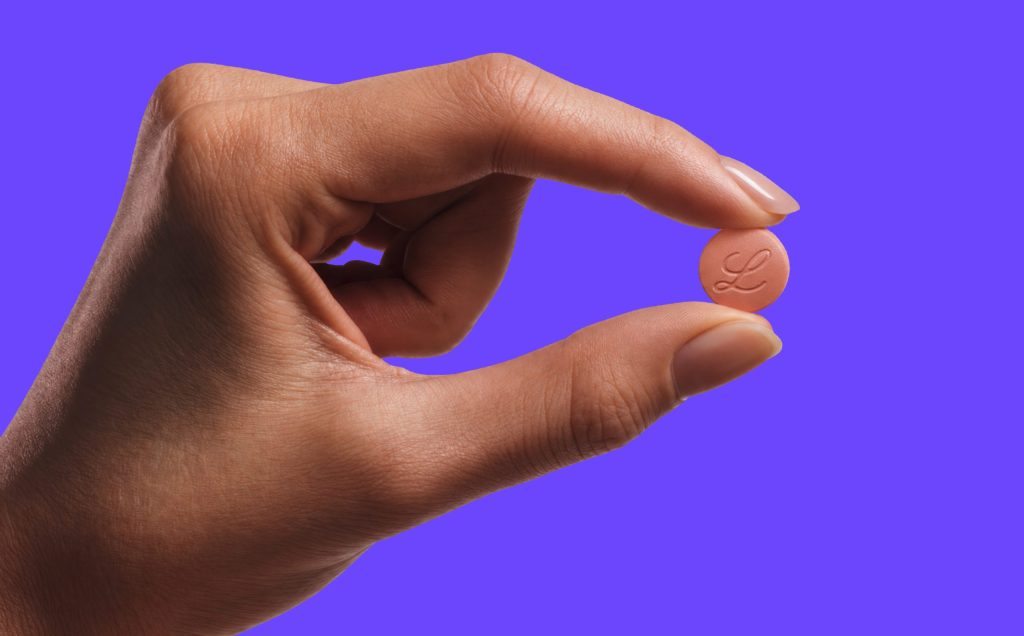
HRT replaces the hormones your body is making less of. There are two main types:
- Combined HRT contains oestrogen and a progestogen. If you have a womb and take oestrogen as a tablet, patch, gel or spray, you’ll also need a progestogen. This helps protect the lining of your womb.
- Oestrogen-only HRT is usually for people who have had a hysterectomy, although there are exceptions, such as a history of endometriosis.
Oestrogen can be taken as tablets, patches, gel or spray. A progestogen can be taken as tablets, through patches, via a hormonal coil or vaginally.
HRT is not a contraceptive. You can still get pregnant during perimenopause, so you’ll need contraception until you’re 55, or until you’ve had no periods for 12 months if you’re over 50 (24 months if you’re under 50).
You may also come across ‘bioidentical’ hormones. Regulated body-identical HRT is made by pharmaceutical companies and licensed by the MHRA, the UK’s medicines regulator. Compounded bioidentical hormones are made up by specialist pharmacies. They’re unlicensed and unregulated for safety, quality and effectiveness, which is why NICE, the British Menopause Society and the MHRA don’t recommend them.
Eating well through menopause
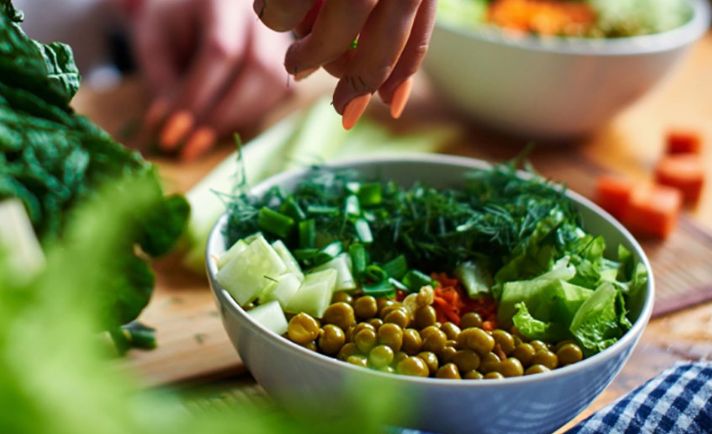
There’s no special menopause diet. The foundations are the same as at any age: a varied diet with plenty of fruit and vegetables, wholegrain carbohydrates, lean meat, dairy and plant-based proteins, plus plenty of water. A few things are worth extra attention during this stage.
Aim for your 5 a day. That’s at least 400g of fruit and vegetables a day, across at least five different types. They’re packed with vitamins, minerals, antioxidants and fibre. Eating plenty is linked to a lower risk of heart disease, stroke, type 2 diabetes and some cancers, as well as better mental health.
Make fibre a priority. If you’re eating plenty of fruit and veg you’re already on your way. Wholegrains such as brown rice, wholewheat pasta, wholemeal bread and some cereals count too, as do peas, beans and lentils. Fibre helps you feel fuller for longer, keeps your digestion moving and can help with blood sugar and cholesterol.
Soluble fibre is especially useful for cholesterol, which matters more as your risk of heart disease rises after menopause. Good sources include oats, barley, beans and pulses, flaxseeds, chia seeds, Brussels sprouts, sweet potatoes, apples, pears and citrus fruits.
Be kind to your gut. Falling hormone levels can affect the connection between your gut and brain. Some people notice bloating, tummy pain, constipation or diarrhoea for the first time. If high-fibre foods seem to make things worse, try soaking nuts and seeds in milk, yoghurt or water, cooking vegetables for longer so they’re softer and keeping a note of foods that seem to trigger symptoms. If gut symptoms are new or don’t settle, speak to your GP.
Go easy on salt, sugar and saturated fat. That means cutting back on fatty and processed meats and sugary foods and drinks where you can.
Keep an eye on alcohol and caffeine. Both can trigger hot flushes, night sweats and headaches, so cutting down may help with symptoms as well as your overall health.
What about soy? Soy foods like tofu and edamame are a good source of plant-based protein and healthy fats. You’ll often see them linked to fewer hot flushes, but the European Food Safety Authority reviewed the evidence and found it wasn’t strong enough. That’s why no health claims can be made in the UK or EU about soy relieving menopause symptoms.
Take care with vitamin A. After menopause, very high intakes of retinol (a form of vitamin A) may affect bone density. Aim for no more than 1.5mg (1,500mcg) a day from food and supplements combined. In practice that means eating liver no more than once a week and avoiding fish liver oil supplements.
Look after your bones. Calcium and vitamin D both play a key role in bone health. Your GP or a pharmacist can tell you whether a supplement is right for you.
Staying active
Moving regularly is one of the most useful things you can do during and after menopause. The UK guidelines for adults are:
- at least 150 minutes of moderate activity a week (you’re breathing faster but can still talk) or
- at least 75 minutes of vigorous activity a week (you’re breathing hard and it’s difficult to talk) or
- a mix of both
Strength activities on at least two days a week are recommended for all adults and are particularly valuable now. Lower oestrogen can mean losing muscle and bone density, and strength work helps protect both. Staying active also supports your heart and lungs and helps you maintain a steady weight.
There’s a theory that gentle, slow yoga can help get rid of hot flushes and night sweats. It may calm your nervous system, lower the stress hormones that can trigger or worsen symptoms, help you feel cooler and help you sleep better. The evidence is still inconclusive, though.
Looking after your mental health
For many people the emotional changes are the hardest part. Feeling quick to anger, tearful, irritable or unmotivated, losing confidence or joy, or having panic attacks can all be linked to changing hormone levels. These feelings are real and you don’t have to simply push through them.
Movement you enjoy, time for hobbies and staying connected with people who matter to you can all help. If you’re finding things hard, speak to your GP about talking therapies such as cognitive behavioural therapy (CBT).
Where weight-loss treatment fits in
Oestrogen plays a part in how your body uses insulin, handles fat, sleeps and manages inflammation. As levels fall, some women notice more fat around their tummy, higher cholesterol or insulin resistance, where the body doesn’t respond to insulin as well and blood sugar can rise. Add in changes to muscle, sleep and energy and maintaining your weight can feel harder than it used to. That’s your body changing. It says nothing about how hard you’re trying.
For people who are eligible, GLP-1 treatments work by mimicking a hormone your body already makes. They reduce hunger, help you feel full for longer and slow down how quickly food leaves your stomach. By helping you eat less, treatment can help break a pattern that may be harming your health. Alongside healthier habits, it can lower your chances of gaining weight again over the long term, as long as you keep those habits up. They can also help your body regulate blood sugar. Some people find rich, spicy or fatty foods and alcohol harder to tolerate while on treatment.
Weight loss during menopause happens in the same way as at any other age: through a calorie deficit and healthy eating habits. Treatment can make that feel more manageable. The habits you build along the way are what help you maintain your progress over the long term. That’s why The CheqUp Method brings treatment together with support from your Clinician and Health Coach and health and progress tracking through the Weight Watchers app.
If you’re taking HRT or contraception, or you start, stop or change either, let your Clinician know so they have the full picture of your health.
When to get help
Some symptoms need checking because they may have another cause. If you’re unsure, speak to your GP, a pharmacist or your prescriber.
Call 999 or go to A&E if you have:
- chest pain
- sudden breathlessness
- a painful, swollen leg
- signs of a stroke
- thoughts of harming yourself (you can also call Samaritans free on 116 123, day or night)
Contact your GP promptly if you have:
- any bleeding after your periods have stopped for 12 months
- bleeding between periods or after sex
- very heavy periods
- a new breast lump or change
Book a GP appointment if:
- you’re under 45 and have menopausal symptoms
- your mood has been low for more than 2 weeks
- your symptoms are affecting your quality of life
If you take HRT or weight-loss treatment, contact your prescriber about unexpected bleeding, severe stomach pain, persistent vomiting or a possible pregnancy. For your CheqUp treatment, that’s your Clinician.
How your personal Weight Health team can help
Menopause can make it feel like the goalposts have moved. You don’t have to work it out alone.
Your Health Coach can help you adapt your plan around your energy, sleep and symptoms, whether that’s finding meals that sit well with your gut or building strength work into a busy week. Your Clinician reviews your health and treatment and is there if anything changes. The Weight Watchers app, included with every CheqUp membership, can help you track your protein and fibre goals and sync your sleep and activity from your device, so you can see how your day-to-day adds up.
If any of this has sparked questions, bring them to your next check-in with your Health Coach.
Sources
- NICE guideline NG23, Menopause: identification and management: https://www.nice.org.uk/guidance/ng23
- British Menopause Society, NICE guideline summary: https://thebms.org.uk/publications/nice-guideline/
- British Menopause Society, What is the menopause?: https://thebms.org.uk/wp-content/uploads/2026/01/17-NEW-BMS-TfC-What-is-the-menopause-JAN2026-A.pdf
- British Menopause Society, Non-hormonal based treatments for menopausal symptoms: https://thebms.org.uk/publications/consensus-statements/non-hormonal-based-treatments-menopausal-symptoms/
- British Nutrition Foundation, Menopause: https://www.nutrition.org.uk/nutrition-for/women/menopause/
- British Nutrition Foundation, Managing menopause symptoms with nutrition and diet: https://www.nutrition.org.uk/nutrition-for/women/menopause/managing-menopause-symptoms-with-nutrition-and-diet/
- British Dietetic Association, Fibre: https://www.bda.uk.com/resource/fibre.html
- Women’s Health Concern, Digestive health and menopause: https://www.womens-health-concern.org/wp-content/uploads/2025/07/36-NEW-WHC-FACTSHEET-Digestive-health-and-menopause-JULY2025-A.pdf
- Women’s Health Concern, Emotional wellness in menopause: https://www.womens-health-concern.org/wp-content/uploads/2023/06/30-WHC-FACTSHEET-Emotional-wellness-in-menopause-JUNE2023-A.pdf
- UK Government, Government dietary recommendations: https://assets.publishing.service.gov.uk/media/5a749fece5274a44083b82d8/government_dietary_recommendations.pdf
- UK Government, Physical activity guidelines for adults: https://www.gov.uk/government/publications/physical-activity-guidelines-adults-and-older-adults/physical-activity-for-adults-and-older-adults-19-and-over-text-of-the-infographic
- Menopausal hormone therapy and type 2 diabetes prevention (PMC): https://pmc.ncbi.nlm.nih.gov/articles/PMC6341301/
- Exercise and the menopause (PMC review): https://pmc.ncbi.nlm.nih.gov/articles/PMC3296386/