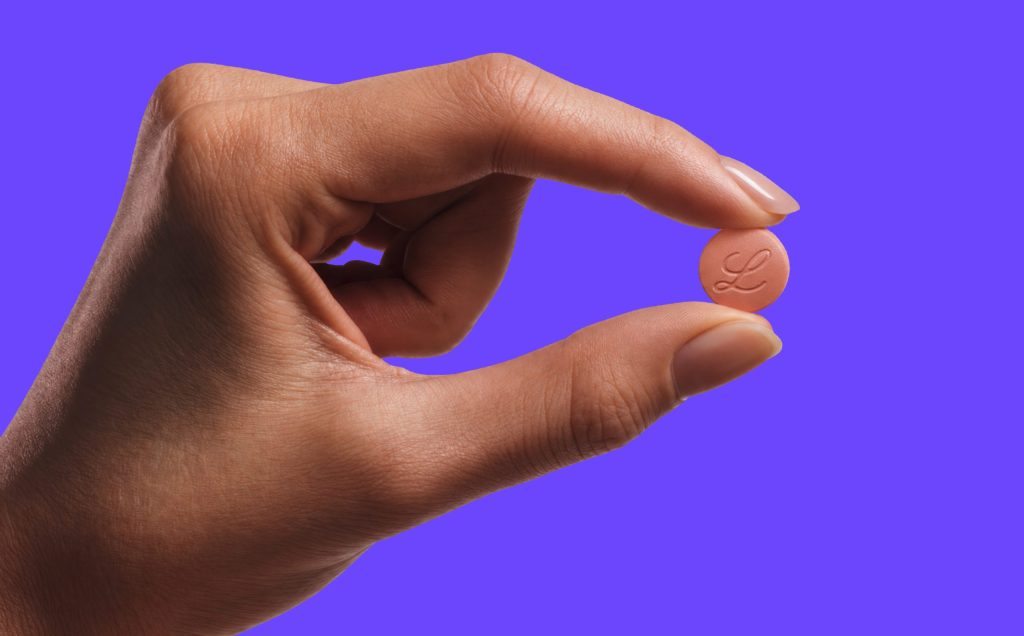
The Wegovy Pill has changed the way we think about weight management. By reducing appetite and increasing feelings of fullness, it can make healthy choices feel much easier than they did before.
But one of the biggest misconceptions is that the medication works on its own.
It doesn’t.
The best results come from combining treatment with healthy habits, and that’s exactly how the Wegovy Pill was studied.
Just getting started?
Before diving into the science behind successful weight loss, download Your Guide to the Wegovy Pill. It covers everything you need to know about taking the medication, managing side effects, building healthy habits and getting the most from your treatment.
Understanding the 16.6% weight loss
When the results of the OASIS 4 trial were published, one number made headlines: 16.6%. That was the average weight loss achieved by participants taking oral semaglutide 25 mg over 64 weeks with full adherence to treatment.¹
It is an impressive figure. But it is worth understanding what was behind it.
Every participant in the OASIS 4 trial received structured lifestyle support alongside their medication. This included dietary counselling targeting a 500-calorie daily deficit and at least 150 minutes of physical activity per week, with support from a qualified healthcare professional throughout the study.¹ The 16.6% result reflects what is possible when medication and lifestyle support work together, not when medication works alone.
That level of support is not incidental. It is part of what produced the results. Research consistently shows that combining Health Coaching with structured behaviour change strategies improves outcomes for people managing their weight.⁴ Having someone in your corner who can help you set realistic goals, work through challenges and build habits that fit your actual life makes a meaningful difference, particularly in the moments when motivation dips or progress feels slower than expected.
The Wegovy pill creates an opportunity, not a shortcut
The Wegovy Pill works by acting on GLP-1 receptors in the brain and gut, helping to regulate appetite and increase feelings of fullness. For many people, this means eating less feels more natural, food noise quietens down, and the pull towards snacking or overeating becomes easier to resist. Find out more about how it works from our Superintendent Pharmacist, Andre.
But appetite changes are not the whole story. They create an opportunity, a window in which building healthier habits becomes significantly easier than it might have been before. What you do with that opportunity is what shapes your long-term results.
Think of it this way. The medication can make it easier to eat less. It cannot choose what you eat, when you eat or how you move through your day. Those choices still matter, and they matter a great deal.
When appetite changes, nutrition matters even more
One of the first things people notice on the Wegovy Pill is that they feel full more quickly and are satisfied with smaller portions. This is welcome, but it also means that what you eat becomes more important than ever.
When you are eating less overall, every meal needs to work harder. Getting enough protein, vitamins and minerals from a smaller amount of food becomes a genuine priority. Protein, in particular plays an important role during weight loss. Research has found that adequate intake helps to preserve muscle mass during GLP-1 treatment, supporting both physical function and longer-term health.²
A simple way to think about this is to look at your plate:
- Half filled with vegetables
- A quarter with a good protein source such as chicken, fish, eggs, beans or Greek yoghurt
- A quarter with wholegrains or complex carbohydrates like rice, oats or sweet potato
Eating regularly and building balanced meals are habits that support your treatment and help you make the most of the opportunity the medication creates. Skipping meals might feel tempting when appetite is low, but keeping to a routine helps your body get the nutrition it needs throughout the day.
Movement is more than burning calories
You do not need a structured exercise programme to benefit from being more active during treatment. The evidence is clear that regular movement, at whatever level suits your life, supports weight loss outcomes and overall health.²
Movement also plays a specific role in preserving muscle during weight loss. As the body loses weight, some of that loss can come from lean muscle mass as well as fat. Staying active, including everyday activities such as walking, helps to protect against this and supports your strength and energy levels as your weight changes.³
The goal is not intensity. It is consistency. Finding ways to move a little more, most days, is far more valuable than occasional bursts of exercise followed by long periods of inactivity.
The CheqUp approach
The OASIS 4 trial showed what is possible when medication is combined with nutrition guidance, physical activity and ongoing professional support. At CheqUp, the approach is built on the same evidence, combining the Wegovy Pill with personalised Health Coaching, nutritional support and ongoing clinical care to help you achieve better, longer-lasting results.
Successful weight management is about more than the number on the scales. It is about building the knowledge, confidence and habits that support your health during treatment and help you maintain your progress beyond it. Many people wonder what happens to their weight after treatment ends. If that is something on your mind, this short video is a helpful place to start.
At CheqUp, our commitment goes beyond prescribing medication. Whether you have questions about nutrition, need support managing side effects, are working through a plateau or are thinking ahead to life after treatment, your clinical team and Health Coaches are here every step of the way.
The pill opens the door. The habits you build are what take you through it.
References
- Wharton S, Lingvay I, Bogdanski P, et al; OASIS 4 Study Group. Oral semaglutide at a dose of 25 mg in adults with overweight or obesity. N Engl J Med. 2025;393(11):1077–1087. doi:10.1056/NEJMoa2500969
- Barrea L, Annunziata G, Muscogiuri G, et al. Optimizing GLP-1 therapies for obesity and diabetes management. Nutrients. 2025. Available from: ncbi.nlm.nih.gov/pmc/articles/PMC12661421
- Bhasin S, Apovian CM, Travison TG, et al. Preserving lean body mass in patients taking GLP-1 for weight loss. Mass General Brigham; 2025. Available from: advances.massgeneral.org/endocrinology/article.aspx?id=1601
- Queiros AS, Manta ST, Hanafi NS, et al. Effectiveness of combined health coaching and self-monitoring apps on weight-related outcomes in people with overweight and obesity: systematic review and meta-analysis. J Med Internet Res. 2023;25:e42432. doi:10.2196/42432