From over-the-counter tablets to prescription GLP-1 medications, there are now more options for weight health than ever before. While they all aim to support weight loss, they work in different ways, have different levels of evidence and may be suitable for different people. This guide explains the main options available and what to consider when choosing a treatment.
Understanding these differences can help you have informed conversations with your healthcare professional and choose a treatment that is appropriate for your individual needs.
Not all weight loss pills are the same
Although weight loss pills share the same goal, they use very different mechanisms to achieve it. This means they vary in how effective they are, the side effects they may cause and who they are suitable for.Broadly speaking, the options covered in this guide fall into two categories:
- Prescription GLP-1 medications, such as the Wegovy Pill (oral semaglutide) and Foundayo (orforglipron – not yet approved in the UK), which help regulate appetite and increase feelings of fullness
- Over-the-counter fat absorption blockers, such as Alli (orlistat), which reduce the amount of fat your body absorbs from food
In the UK, weight loss medications must be approved by the Medicines and Healthcare products Regulatory Agency (MHRA) before they can be prescribed. NICE guidance also sets out which treatments are recommended, for whom and under what circumstances. Choosing a treatment with a strong evidence base and appropriate regulatory approval is an important starting point.
Prescription GLP-1 medications
GLP-1 is a naturally occurring hormone released after eating that signals fullness to the brain, slows gastric emptying and reduces appetite.¹ GLP-1 medications work by mimicking these effects, helping many people feel satisfied with smaller portions and reducing hunger between meals.² For some people, this also leads to a reduction in “food noise”, the frequent thoughts about food and cravings that can make managing weight more challenging. Find out more about how it works from our Superintendent Pharmacist, Andre.
The Wegovy Pill is the only oral GLP-1 medication currently approved for weight management in the UK. It works by mimicking GLP-1, a naturally occurring gut hormone that signals fullness to the brain, slows gastric emptying and reduces appetite.¹ For many people, this means smaller portions feel satisfying, hunger between meals reduces and food noise. The frequent thoughts about food and cravings that can make managing weight difficult become less intrusive.² In the OASIS 4 trial, participants achieved a mean weight loss of 16.6% over 64 weeks alongside structured lifestyle support.³
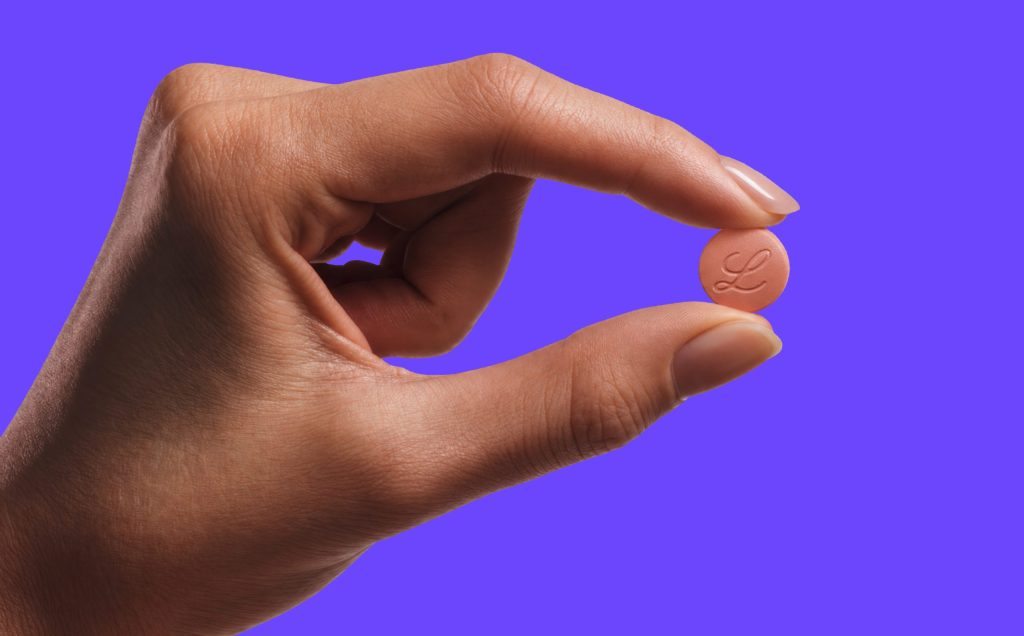
To find out more, download the guideFoundayo (Orforglipron) an investigational oral GLP-1 medication developed by Eli Lilly. It works through the same appetite-regulating mechanism as the Wegovy Pill but can be taken at any time of day without food or water restrictions. In the ATTAIN-1 trial, participants achieved a mean weight loss of 12.4% over 72 weeks.⁴ Foundayo is not yet approved or available in the UK. We will continue to review the evidence and keep members informed about future options.
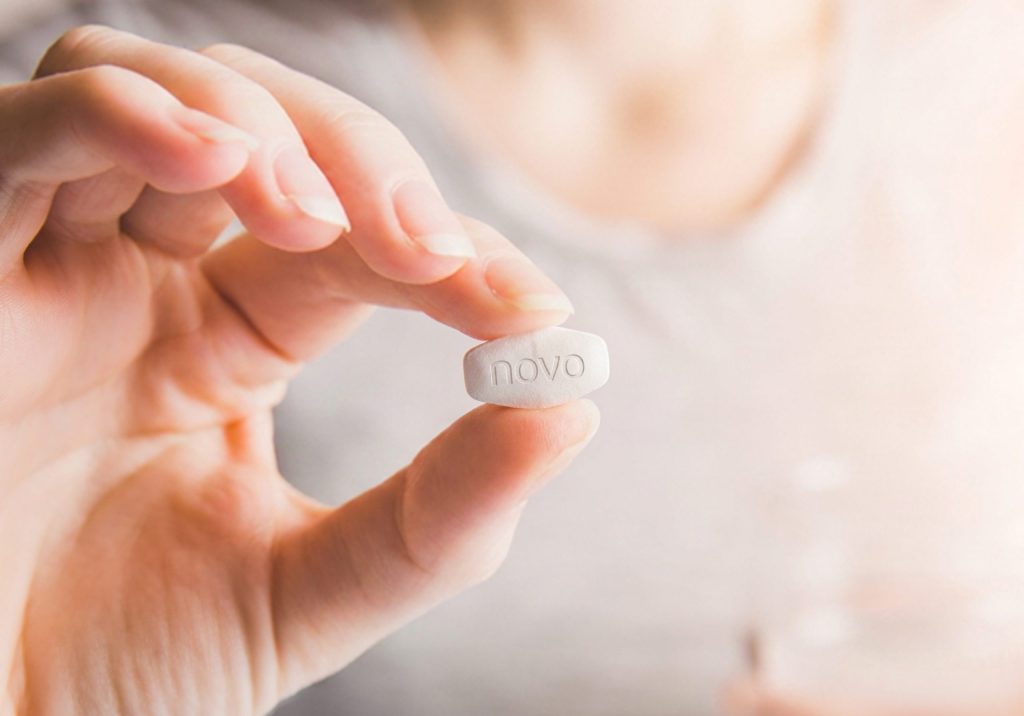
Alli (Orlistat 60mg) takes a completely different approach. Rather than acting on appetite, it blocks enzymes in the digestive system that break down dietary fat, preventing around one-third of the fat in a meal from being absorbed.⁵ Clinical evidence shows it produces around 2 to 3kg of additional weight loss compared with diet and exercise alone over one year.⁶ It is available without a prescription for adults with a BMI of 28 or above. A daily multivitamin is recommended as long-term use can reduce absorption of fat-soluble vitamins A, D, E and K.
Comparing Your Options
| Wegovy Pill (semaglutide 25 mg) | Foundayo (orforglipron 36 mg) | Alli (orlistat 120 mg) | |
|---|---|---|---|
| How it works | GLP-1: reduces appetite and increases fullness | GLP-1: reduces appetite and increases fullness | Fat absorption blocker |
| Prescription required | Yes | Yes, when available | No |
| UK availability | Yes | Not yet approved | Yes |
| Typical trial outcomes* | 16.6% at 64 weeks³ | 12.4% at 72 weeks⁴ | 2–3 kg over 12 months⁶ |
| Restrictions | 8-hour fast before pill, then wait 30 minutes to eat or drink | No restrictions | With meals containing fat |
| Most common side effects | Nausea, vomiting, constipation, diarrhoea | Nausea, vomiting, constipation, diarrhoea | Oily stools, urgent bowel movements, flatulence |
*Results are from separate trials under different conditions and should not be interpreted as direct comparisons.
Medication is only one part of the journey
The strongest clinical results for GLP-1 medications come from trials that included structured lifestyle support alongside medication.³ Medication creates the conditions for change; the habits you build alongside it determine long-term success. To find out more, read The science behind successful weight loss on the Wegovy pill.
Choosing the right weight loss treatment
There isn’t a single weight loss pill that’s right for everyone. The most appropriate treatment depends on your individual circumstances. When considering your options, think about:
- Your eligibility: Some medications are only suitable for people who meet specific BMI and health criteria.
- How the medication works: Some reduce appetite, while others reduce the absorption of fat from food.
- The evidence behind the treatment: Consider the clinical research supporting its effectiveness and safety.
- Potential side effects: Every medication has a different side effect profile, so it’s important to understand what to expect.
- Your lifestyle and preferences: Consider whether the treatment fits your daily routine, as some medications require fasting, while others are taken with each meal.
- The support available: Ongoing clinical care, nutritional guidance and Health Coaching can make a meaningful difference to long-term success.
Ultimately, discussing your options with a qualified healthcare professional can help ensure the treatment you choose is safe, appropriate and tailored to your individual needs.
Ready to take the next step?
If you’re considering medication for your weight health, our clinical team can advise on which treatment options may be appropriate for you.
Start by completing our clinical eligibility questionnaire, which helps determine whether treatment may be appropriate based on your medical history and individual circumstances.
If you’re eligible and would like personalised support throughout your journey, our Health Coaches are here to help. From building healthy habits to staying motivated and maintaining your progress, they’ll work with you every step of the way.
Have questions? Get in touch with our team, and we’ll be happy to help.
References
- Holst JJ, Astrup A. Reflections on the discovery of GLP-1 as a satiety hormone: implications for obesity therapy and future directions. Eur J Clin Nutr. 2024;78:737–742. doi:10.1038/s41430-024-01460-6
- Cornejo MP, Barrile MF, De Francesco PN, et al. Mechanisms of GLP-1 receptor agonist-induced weight loss. Am J Med. 2025. doi:10.1016/j.amjmed.2025.01.016
- Wharton S, Lingvay I, Bogdanski P, et al; OASIS 4 Study Group. Oral semaglutide at a dose of 25 mg in adults with overweight or obesity. N Engl J Med. 2025;393(11):1077–1087. doi:10.1056/NEJMoa2500969
- Wharton S, Aronne LJ, Stefanski A, et al. Orforglipron, an oral small-molecule GLP-1 receptor agonist for obesity treatment. N Engl J Med. 2025. doi:10.1056/NEJMoa2511774
- LiverTox: Clinical and Research Information on Drug-Induced Liver Injury. Orlistat. Bethesda (MD): National Institute of Diabetes and Digestive and Kidney Diseases; 2012. Available from: ncbi.nlm.nih.gov/books/NBK548898
- Rucker D, Padwal R, Li SK, Curioni C, Lau DC. Long-term pharmacotherapy for obesity and overweight: updated meta-analysis. BMJ. 2007;335(7631):1194–1199. doi:10.1136/bmj.39385.413113.25