Millions of people in the UK are at risk of type 2 diabetes without knowing it. Here’s what to look out for and what can help.
14 November is World Diabetes Day. Type 2 diabetes often develops slowly with no obvious signs, so it’s a good time to check in on your own risk.
Diabetes in the UK
According to Diabetes UK:¹
- almost 6 million people have diabetes
- around 9 in 10 of those diagnosed have type 2
- around 1.3 million people have type 2 but don’t know it yet
- 6.9 million people are at increased risk because of their blood sugar levels
What is prediabetes?
Prediabetes means your blood sugar is higher than normal, but not yet high enough to be type 2 diabetes.²
Prediabetes usually has no symptoms, so most people only find out through a blood test. Without changes, it can develop into type 2 diabetes. Finding it early gives you time to act.
Are you at higher risk?
Your risk is higher if you:
- are older
- have a family history of diabetes
- are of Asian, Chinese, Black African or Black Caribbean heritage¹
- are living with overweight or obesity
- aren’t very active
- have had gestational diabetes or have PCOS
Weight is one factor, not the whole story. Diabetes UK says weight alone doesn’t cause prediabetes.²
What can help
Diabetes UK says changes to what you eat, how active you are and, where needed, your weight can cut the risk of type 2 diabetes by about half.¹
If you think you might be at risk, ask your GP or a pharmacist about a blood test.
An expert view
We asked Alice, a CheqUp Health Coach and Registered Nutritionist, for her advice.
What signs should people look out for?
Prediabetes often has no symptoms. Signs of type 2 diabetes can include increased thirst, needing to wee more often, tiredness, blurred vision and slow-healing wounds. If you’re concerned, speak to your GP.
What makes the biggest difference?
Small, manageable changes rather than trying to change everything at once. Building consistent habits around balanced meals and regular movement makes change feel achievable. It’s about finding an approach that fits your life, not aiming for perfection.
What would you say to someone who’s worried?
Don’t panic, but do take it seriously. Having risk factors doesn’t mean you’ll definitely develop type 2 diabetes and finding it early can make a real difference. Speak to your GP.
Sara’s story
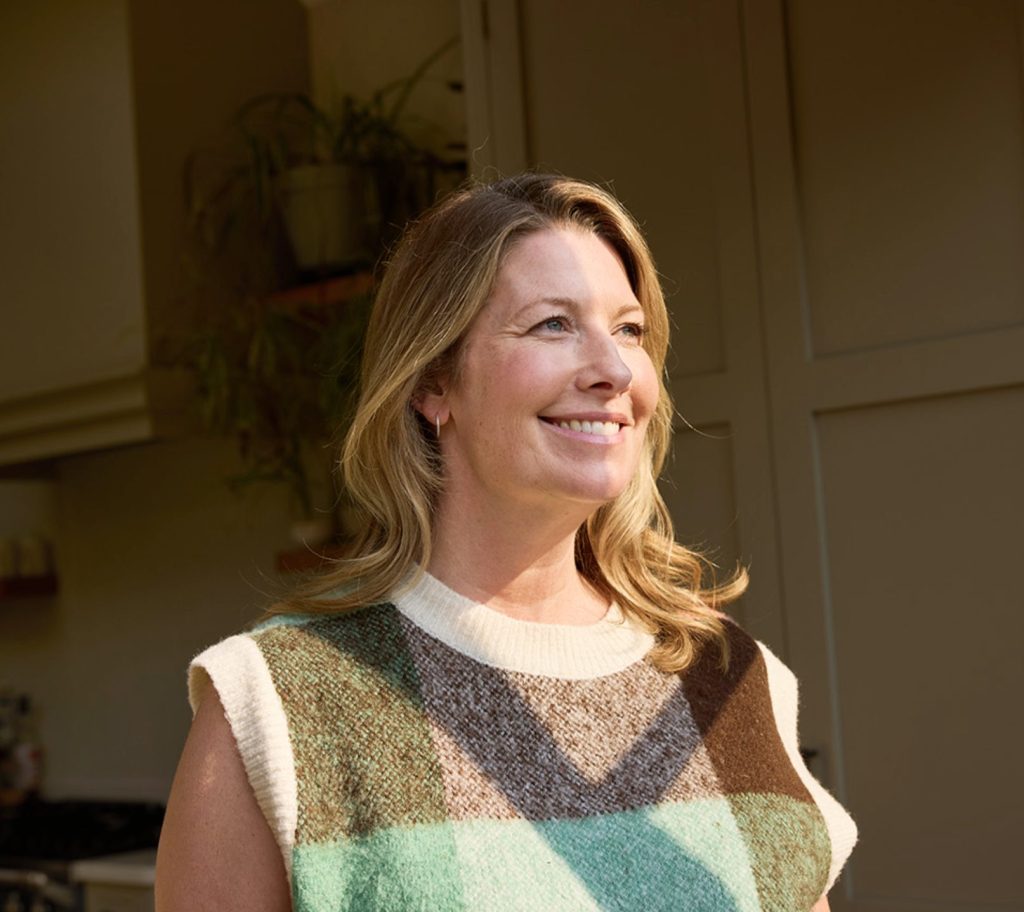
Menopause, giving up smoking and changes in her relationship with food left Sara feeling unlike herself. She had prediabetes and had started avoiding mirrors, shopping and going out.
She’d tried diets before, but nothing lasted. She chose CheqUp because it felt trustworthy and her GP supported the decision. Eleven months on, her energy has come back and she feels like herself again.
Her health has changed too. Her prediabetes has reversed, her blood pressure is back to normal, her breathlessness has gone and she has more energy.
“My doctor said, ‘I’ve got good news, we’ve reversed it.’ That meant everything to me.”
Everyone’s body is different, so progress looks different for everyone.
Where Weight Health fits
Your weight is connected to your blood sugar, your wider health and how you feel day to day. We call this whole picture Weight Health.
Looking after it can be one part of reducing your risk. That might mean small changes to meals and movement, support to keep them going and, where it’s right for you, help with your weight.
The CheqUp Method brings clinically appropriate treatment together with your own Clinician, who makes the clinical decisions, and a Health Coach, who helps your plan work in real life. Not a chatbot, an actual person.
Already living with diabetes? Keep your GP or diabetes team involved. Our Clinicians review your health history and any medicines you take. If CheqUp isn’t right for you, we’ll tell you.
You don’t have to work it out alone.
Sources
- Diabetes UK, How many people in the UK have diabetes?
- Diabetes UK, What is prediabetes?